



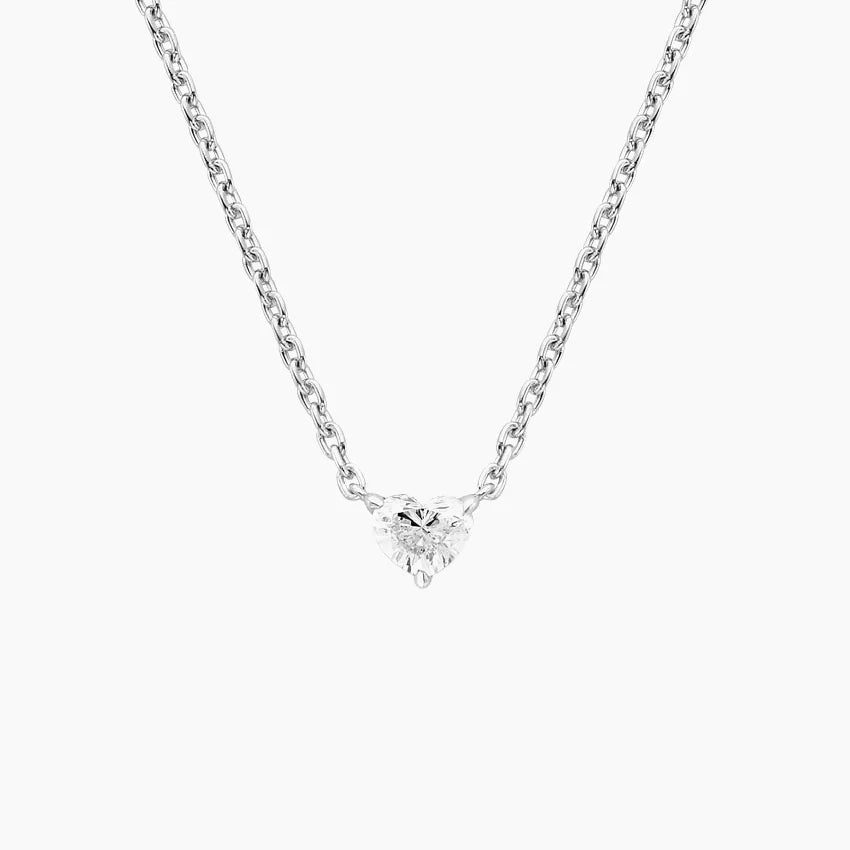
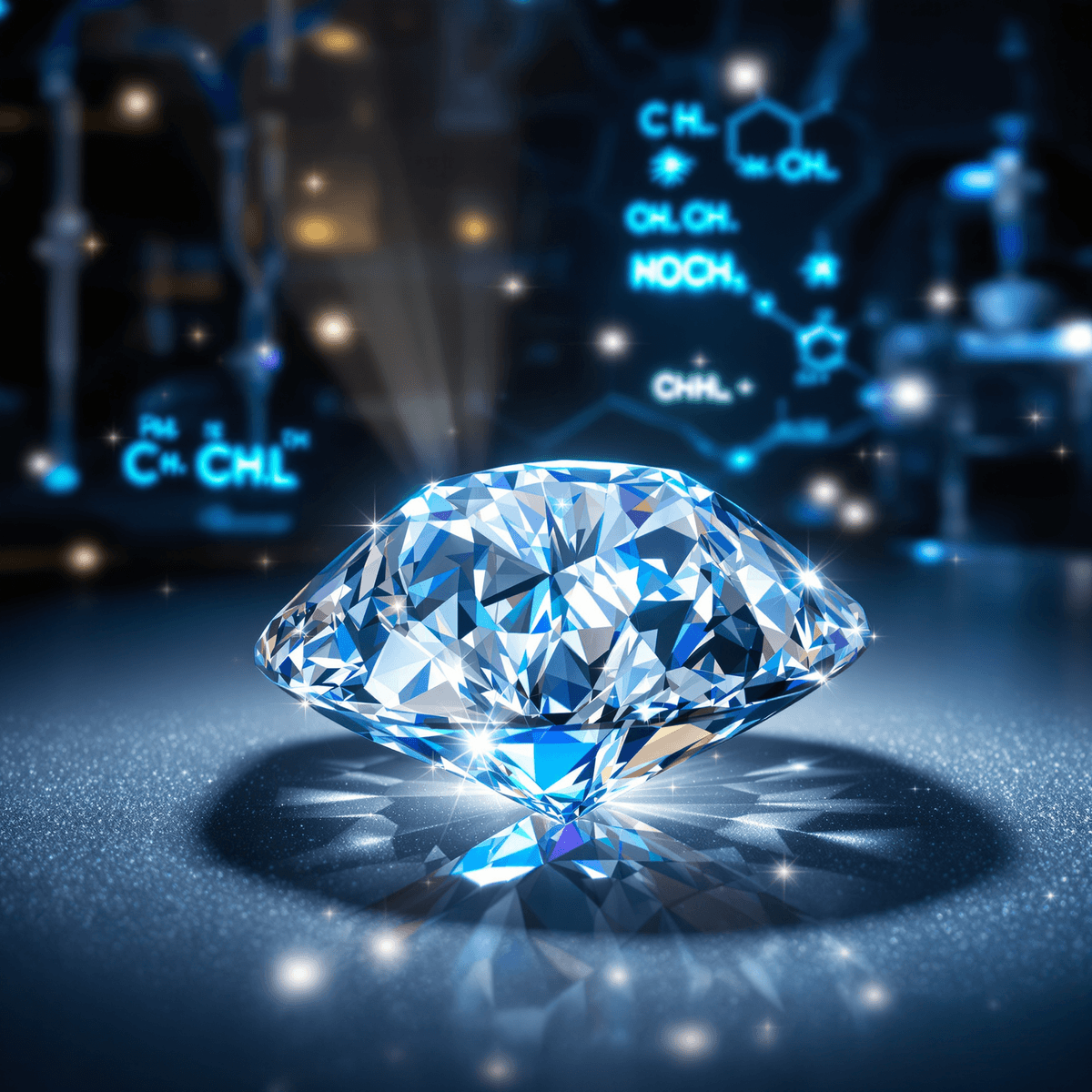
Lab-grown diamonds have transformed the jewelry industry by combining advanced science with the timeless beauty of diamonds. While many people are familiar with natural diamonds formed deep within the earth, fewer understand the fascinating technology used to create diamonds in a laboratory.
Despite being produced in a controlled environment, lab-grown diamonds are real diamonds. They share the same chemical composition, crystal structure, and hardness as natural diamonds. The difference lies only in the way they are created.
Understanding how lab-grown diamonds are made can help buyers appreciate the craftsmanship and innovation behind these modern gemstones.
The Science Behind Diamond Growth
Diamonds are made entirely of carbon atoms arranged in a crystal structure. In nature, this structure forms deep beneath the earth’s surface under extremely high pressure and temperature. Over millions of years, these conditions cause carbon atoms to bond together and slowly form a diamond.
Scientists discovered that this natural process could be replicated in a laboratory by recreating similar conditions using specialized equipment. By controlling temperature, pressure, and carbon sources, laboratories are able to grow diamonds in a matter of weeks rather than millions of years.
The process begins with a tiny piece of diamond known as a diamond seed. This seed acts as the foundation on which a new diamond crystal grows.

The HPHT Method
One of the earliest and most widely used techniques for creating lab-grown diamonds is called High Pressure High Temperature (HPHT).
In this process, the diamond seed is placed inside a machine designed to replicate the intense conditions found deep within the earth. Carbon is added to the chamber, and the machine generates extremely high temperatures and pressure.
Under these conditions, the carbon begins to melt and gradually forms a crystal around the seed. Over time, the crystal grows larger and eventually becomes a rough diamond that can be cut and polished.
The HPHT method closely mirrors the natural formation process of diamonds, which is why it produces stones with the same structure and durability as mined diamonds.
The CVD Method
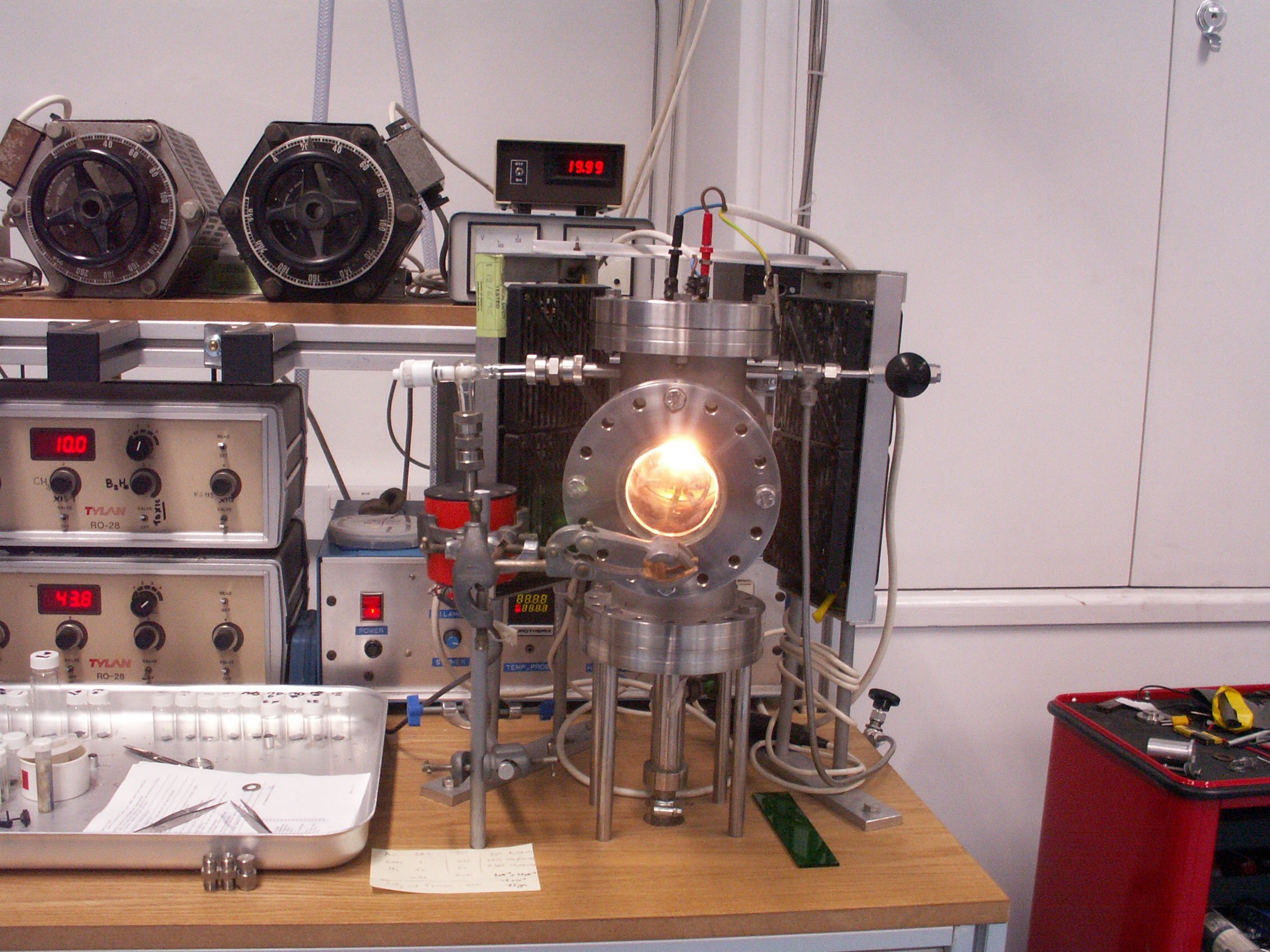
Another modern technique used to produce lab-grown diamonds is known as Chemical Vapor Deposition (CVD).
In this process, the diamond seed is placed inside a sealed chamber filled with carbon-rich gases. The chamber is then heated to high temperatures, causing the gases to break apart and release carbon atoms.
These carbon atoms slowly attach themselves to the diamond seed, building layer after layer of diamond crystal. Over time, this process creates a fully formed diamond.
CVD technology allows scientists to carefully control the growth process, which can result in diamonds with excellent clarity and consistency.
Cutting and Polishing the Diamond
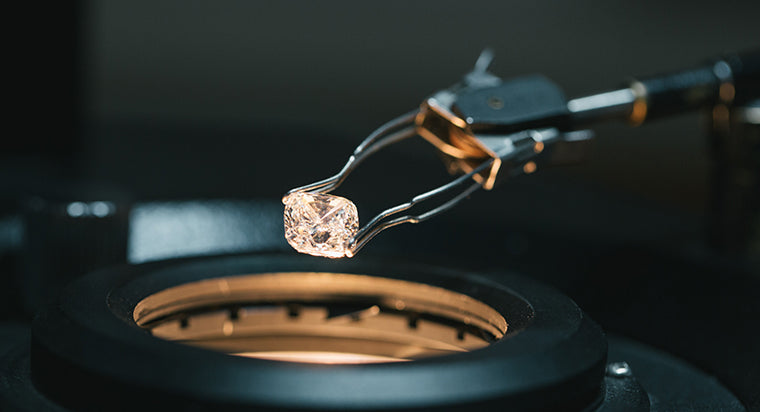
Once a lab-grown diamond has fully formed, it appears as a rough crystal similar to a mined diamond. The rough stone is then sent to expert diamond cutters who shape it into the familiar forms used in jewelry.
Cutting a diamond is a precise art that determines how well the stone reflects light. Skilled craftsmen carefully plan each cut to maximize brilliance and sparkle.
After cutting, the diamond is polished to create smooth surfaces that enhance its natural beauty.
At this stage, the diamond is visually indistinguishable from a natural diamond.

Certification and Quality Control
Just like natural diamonds, lab-grown diamonds are evaluated by professional gemological laboratories. These organizations grade each diamond based on the Four Cs: cut, color, clarity, and carat weight.
Certification ensures transparency and allows buyers to understand exactly what they are purchasing. Many diamonds are also laser-inscribed with a unique report number, which can be used to verify their authenticity.
This grading process guarantees that lab-grown diamonds meet the same quality standards used throughout the global jewelry industry.
Why Technology Is Changing the Diamond Industry
Advancements in diamond-growing technology have made it possible to produce high-quality diamonds more efficiently than ever before. This innovation has opened new possibilities for jewelry design and accessibility.
Because lab-grown diamonds can be produced without mining, they are often more affordable and widely available. Buyers can explore larger stones, unique shapes, and custom designs while maintaining a reasonable budget.
For many people, this technology represents a new chapter in the world of luxury jewelry.
Final Thoughts
Lab-grown diamonds are the result of remarkable scientific progress combined with traditional craftsmanship. By recreating the natural conditions that form diamonds, laboratories are able to produce gemstones that are visually and structurally identical to mined diamonds.
From the initial diamond seed to the final polished stone, the process involves careful precision, advanced equipment, and skilled artistry.
At Laqura, we celebrate the innovation behind lab-grown diamonds while focusing on timeless elegance and design. Whether set in an engagement ring or a piece of fine jewelry, these diamonds offer beauty, brilliance, and modern craftsmanship in every detail.

