



Lab-grown diamonds have rapidly become one of the most exciting developments in the jewelry world. Over the past few years, many buyers have started exploring alternatives to traditional mined diamonds, especially those who value sustainability, transparency, and affordability.
Although the concept of diamonds created in laboratories may sound new, the technology behind them has been developing for decades. Today, these diamonds are used in engagement rings, luxury jewelry, and designer collections across the world.
For anyone considering a diamond purchase, understanding how lab-grown diamonds work can help you make a confident decision. In this guide, we’ll explore what makes them unique, how they compare to natural diamonds, and what you should look for when buying one.

1. What Makes a Lab-Grown Diamond Different?
A lab-grown diamond is created in a controlled environment using advanced scientific processes. Instead of forming deep beneath the earth’s surface, these diamonds grow in specialized laboratories designed to replicate the natural conditions that produce diamonds.
Despite being produced in a lab, the final result is still a true diamond. It contains the same carbon crystal structure and exhibits the same sparkle, hardness, and durability as a mined diamond.
The only real difference is the origin of the stone. Natural diamonds form underground over millions of years, while lab-grown diamonds are created within a matter of weeks using modern technology.
Because of this process, lab-grown diamonds can be produced with exceptional precision and consistency.

2. How Lab-Grown Diamonds Are Created
Two primary technologies are used to grow diamonds in laboratories.
High Pressure High Temperature (HPHT)
This method recreates the intense heat and pressure conditions found deep inside the earth. A small diamond seed is placed inside a chamber along with carbon, and the environment is heated and compressed until the carbon forms a diamond crystal around the seed.
Chemical Vapor Deposition (CVD)
CVD technology grows diamonds in a different way. In this process, a thin diamond seed is placed in a chamber filled with carbon-rich gases. As the gases break down, carbon atoms slowly attach to the seed and build up layers of diamond crystal.
Both processes create diamonds that are visually and structurally indistinguishable from natural diamonds.
3. Why Lab-Grown Diamonds Are Becoming Popular
The rise of lab-grown diamonds is largely driven by changing consumer preferences. Modern buyers often want jewelry that combines luxury with responsible sourcing.
One of the biggest advantages is affordability. Lab-grown diamonds typically cost significantly less than natural diamonds of similar quality. This allows buyers to choose a larger stone or higher clarity grade without exceeding their budget.
Another factor is accessibility. Because these diamonds can be produced more efficiently, they are becoming widely available in various shapes, sizes, and designs.
For many people, lab-grown diamonds offer the perfect balance between beauty and value.

4. Evaluating Diamond Quality
Just like natural diamonds, lab-grown diamonds are graded using internationally recognized standards. The most important criteria are known as the Four Cs.
Cut
The cut determines how well the diamond reflects light. A well-cut diamond will produce strong brilliance and sparkle, while a poorly cut diamond may appear dull.
Color
Diamonds range from completely colorless to slightly tinted. Stones closer to the colorless end of the scale are generally considered more valuable.
Clarity
Clarity refers to internal imperfections known as inclusions. Because lab-grown diamonds are produced in controlled environments, many have excellent clarity grades.
Carat
Carat weight measures the size of the diamond. Larger stones are rarer and typically more expensive, but a well-balanced diamond often prioritizes cut quality over size.
Understanding these characteristics helps buyers choose a diamond that offers both beauty and value.
5. Certification and Transparency
Whenever purchasing a diamond, certification should always be considered essential. A grading report from an independent gemological laboratory provides an unbiased evaluation of the stone.
A proper certificate will confirm that the diamond is lab-grown and include detailed information about its cut, color, clarity, and carat weight.
Many certified diamonds also have a tiny laser inscription on the edge of the stone that matches the report number. This allows buyers to verify the authenticity of the diamond.
Certification ensures transparency and helps buyers feel confident about their purchase.
6. Ethical and Environmental Impact
Ethical sourcing has become a major concern for jewelry buyers in recent years. Traditional diamond mining can sometimes involve environmental disruption and complex supply chains.
Lab-grown diamonds offer an alternative that avoids many of these issues. Because they are created in laboratories, they do not require large-scale mining operations.
However, it is important to note that the environmental impact of lab-grown diamonds depends on the energy used during production. Some modern facilities now rely on renewable energy to reduce their environmental footprint.
For buyers who prioritize sustainability, lab-grown diamonds can be a thoughtful choice.
7. Popular Diamond Shapes in Modern Jewelry
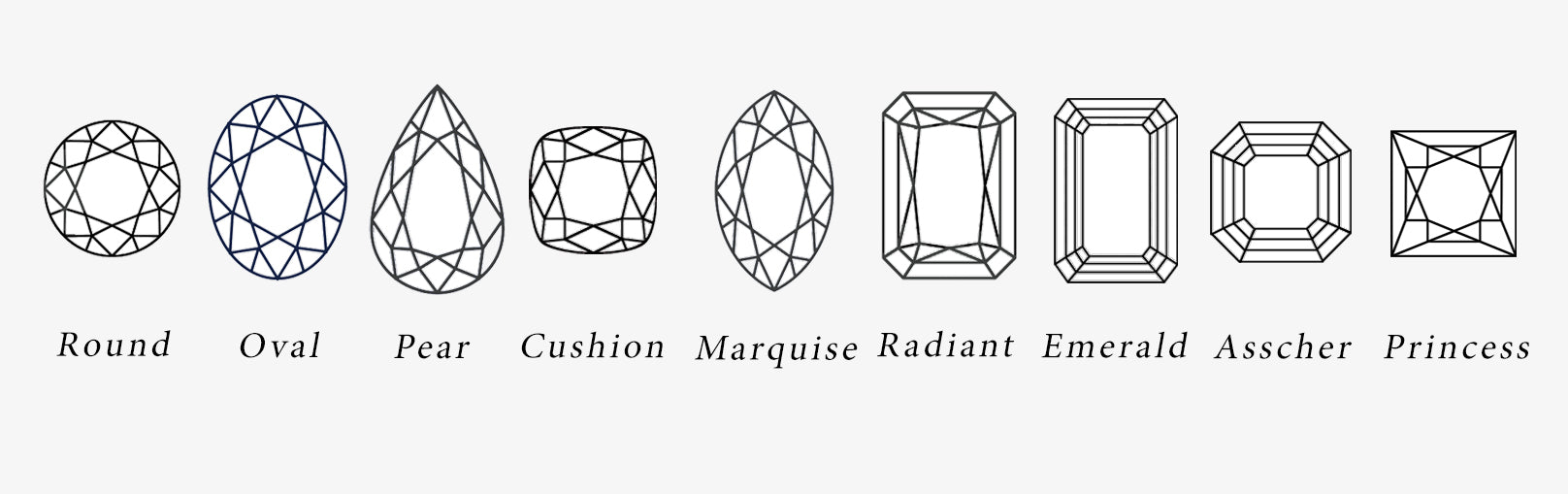
Diamond shape plays an important role in the overall style of a piece of jewelry. Each shape reflects light differently and creates a unique visual effect.
Some of the most sought-after shapes include:
Round diamonds, known for their exceptional brilliance
Oval diamonds, which offer a graceful elongated appearance
Princess cut diamonds, popular for their sharp modern look
Emerald cut diamonds, admired for their elegant step-cut facets
Cushion cut diamonds, which combine vintage charm with modern sparkle
Selecting the right shape often depends on personal style and the type of jewelry setting you prefer.
8. Design Possibilities with Lab-Grown Diamonds
One of the advantages of lab-grown diamonds is the creative freedom they provide for jewelry design.
Because these diamonds are more affordable than natural stones, buyers can allocate more of their budget toward unique settings and custom designs.
Many couples now choose personalized engagement rings featuring hidden halos, intricate vintage details, or modern minimalist styles.
Lab-grown diamonds also work beautifully in earrings, necklaces, and statement jewelry pieces.
This flexibility allows buyers to create jewelry that feels truly personal.

9. Caring for Your Diamond Jewelry
Maintaining the brilliance of a diamond is relatively simple with proper care.
Cleaning the diamond occasionally with warm water, mild soap, and a soft brush can remove dirt and oils that accumulate during daily wear.
It is also advisable to store diamond jewelry separately to prevent scratches from other pieces.
Regular professional inspections can ensure that the setting remains secure and that the diamond continues to shine at its best.
With proper care, a diamond can retain its beauty for a lifetime.
10. The Future of Diamonds
Lab-grown diamonds are expected to continue growing in popularity as technology advances and consumer awareness increases.
Many industry experts believe that lab-grown diamonds will play an increasingly important role in the future of jewelry. They offer a combination of innovation, sustainability, and affordability that appeals to modern buyers.
While natural diamonds will always remain part of the luxury market, lab-grown diamonds are creating new opportunities for people to experience the beauty of fine jewelry.
For buyers seeking brilliance, responsible sourcing, and contemporary design, lab-grown diamonds represent an exciting evolution in the world of jewelry.
Final Thoughts
Lab-grown diamonds are changing the way people think about fine jewelry. They combine scientific innovation with timeless elegance, offering a modern approach to diamond ownership.
For buyers who want exceptional sparkle without the high cost of traditional diamonds, lab-grown options provide outstanding value.
At Laqura, we focus on carefully selected lab-grown diamonds that showcase brilliance, craftsmanship, and refined design. Whether you are searching for a meaningful gift or a special piece of jewelry, understanding these diamonds will help you choose something truly remarkable.

